femLENS Impact Report April 2017 – April 2018
Download the femLENS Impact Report and learn more about our work and achievements over this last year.


Download the femLENS Impact Report and learn more about our work and achievements over this last year.
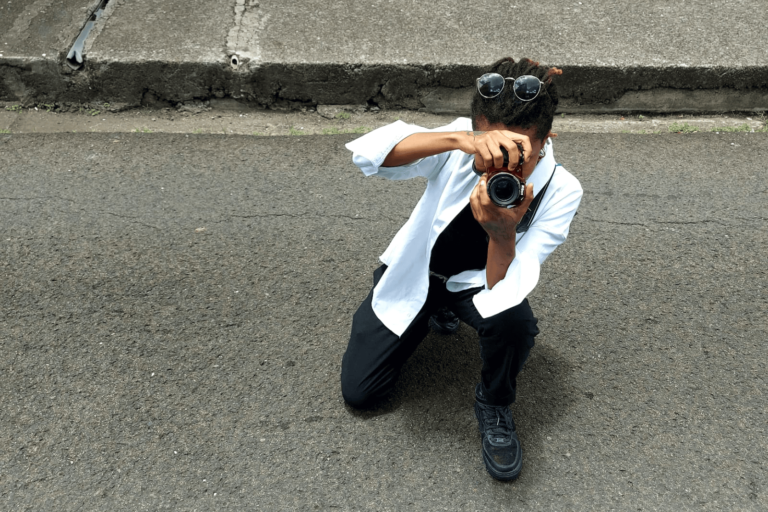
It’s been a little while, but we’re back—and bursting with stories to share! It’s been a while! We last posted on this blog in 2023—but that doesn’t mean we haven’t been busy. Quite the opposite! At femLENS, we’ve spent the past yearс deepening our work, amplifying more women’s voices, and growing our global network of…
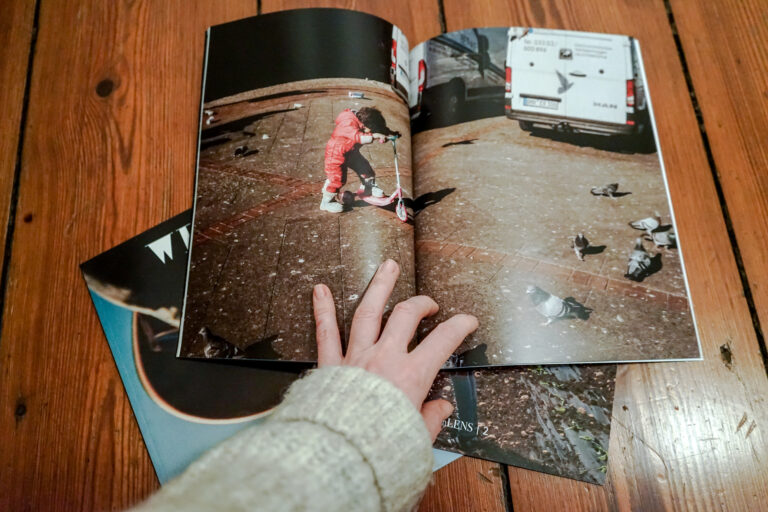
femLENS, the Estonia-based volunteer organisation dedicated to empowering women by teaching them documentary photography, announced the publication of the We See magazine’s third issue. Produced entirely in-house by a team of volunteer writers, editors and designers, We See magazine highlights the creative work of women who do not have professional photography training but instead have…
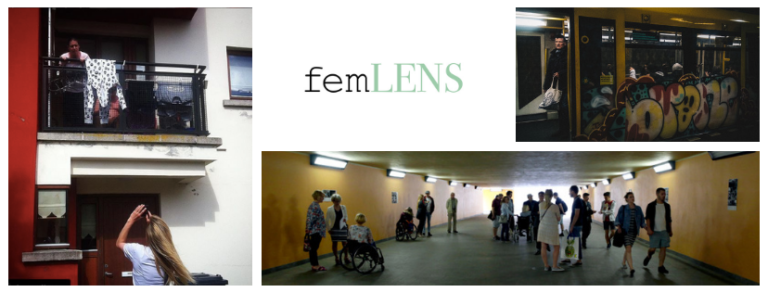
Today is six years since the first femLENS workshop in Balgaddy, Dublin, Ireland! In 2015, femLENS founder and workshop facilitator, Jekaterina Saveljeva, had the vision to diversify the field of photography and empower women to tell their stories through documentary photography. The objective of femLENS was, and remains to this day, to help women believe…
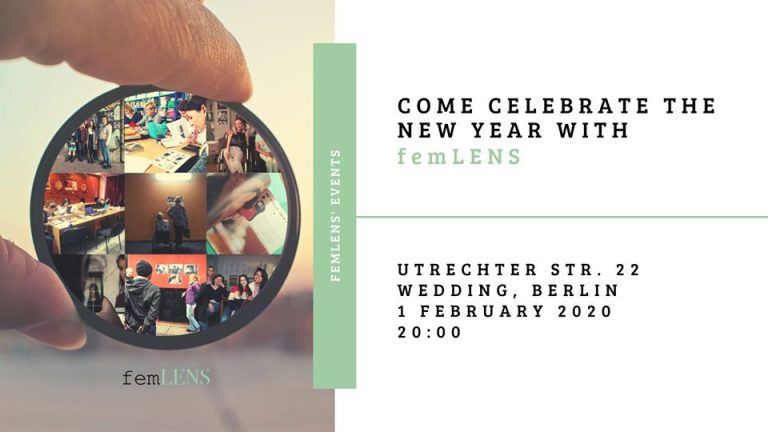
We invite you to celebrate the new year with femLENS in Berlin, look at photographs of our workshop participants, talk to the volunteers and have a drink! Exhibition opens at 20.00 at Utrechterstr 22, Wedding, Berlin. Hope to see you there!
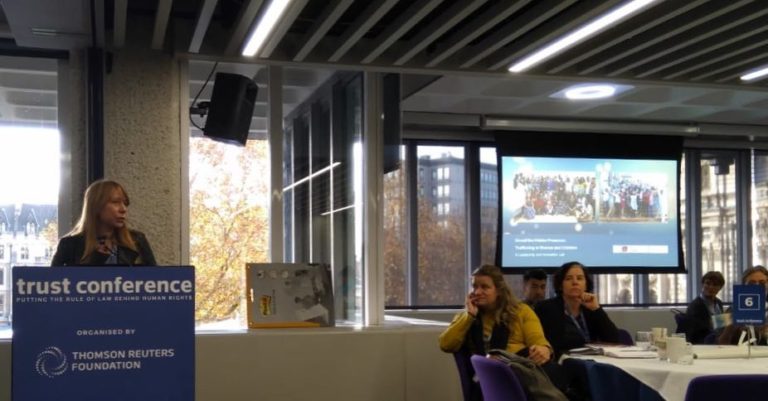
Jekaterina Saveljeva, founder and workshop facilitator at femLENS, is attending this year’s Thomson Reuters Trust Foundation Conference – the world’s leading forum for bringing together global business leaders, government representatives, lawyers, pioneers and advocates in the field of human rights and anti-slavery. It is an amazing experience to meet all the people working towards ending human…

In October 2017 femLENS organised a series of workshops in Shatila camp, that is located in southern Beirut and was established in 1949 by the International Committee of the Red Cross (ICRC) to accommodate hundreds of refugees who fled from northern Palestine after 1948. Covering an area of 0.4 km², the camp has grown to…